Updated
About Rough Cut Review: Evergreen TV and Movie Reference
Rough Cut Review is a reference magazine for American TV and film: reviews, ranked lists, franchise guides and a data desk, written to stay useful long after release week.
What Rough Cut Review publishes
Rough Cut Review is a reference magazine for American pop culture, centered on television and film. Its pieces are written to be read next month or in three years, and each one is revised when the facts underneath it change.
The scope is deliberately narrow. Rough Cut Review covers shows and films that people keep returning to, whether for a rewatch, a marathon or an argument about where an installment belongs in its series. A good reference page answers the question a reader arrives with and then gets out of the way, and every piece is built with that in mind.
It does not chase the news cycle. There are no daily headlines, no casting rumors and no recaps racing a Sunday premiere. Anything that only matters on the night an episode airs belongs to a different kind of outlet. Spoilers get the same restraint: a plot turn appears only below a clearly marked line, so you can stop reading before it.
Reviews, rankings, guides and the data desk
Reviews cover a single film or season and end in a verdict with reasons. They assume you may not have seen the work yet, so the opening paragraphs stay clear of plot turns. They are filed under TV and Movies.
A review is a judgment, and it says so. Where the verdict rests on craft, performance or structure, the piece names the scene or the season arc that earned it, so you can test the claim against your own memory of the work.
Rankings put a whole body of work in order, such as every film in a series, and show how the order was reached. They live in Rankings. Franchise guides follow a series from its first installment: what to watch, in which order, and what can safely be skipped.
The data desk holds two reference tools built from public release information, among them a James Bond film explorer. Each tool names its source and the date its figures were last checked. Because the figures come from public release records, a reader can check any row against its source.
Scoring, dating and revising
Every ranking uses one published method: story and structure 35, performances 25, craft 25, rewatch value 15; full rewatch before any placement; lists reviewed quarterly and within 30 days of a new release. Placement follows the total, so a reader who disagrees with a spot can see which score moved it there.
A full rewatch comes before any placement, so a new ranking can take longer to appear than a quick take would. Lists are also reviewed on a schedule, and again when a new release lands in the series they cover, so a list does not sit untouched while the franchise moves on.
Each piece carries a date, and a revision changes that date in plain view. A factual correction is marked as a correction. A changed verdict or a reshuffled list is recorded in the update log on the homepage. Questions, corrections and tips go through the editorial standards page.
The rules every piece follows
- Spoilers sit behind a marked line. Nothing before that line gives away a twist, a death or an ending.
- Nothing is ranked from memory. Every title gets a full rewatch before it receives a placement.
- Revisions are dated. A changed piece shows when it changed and, for rankings, what moved.
- The scoring method is stated on the page. Weights are published, and the same method applies to every list.
- No daily news. Rough Cut Review publishes reference material, not headlines, rumors or same-night recaps.
- Errors are corrected on the page itself and noted as corrections, never removed without a trace.
How to read the marks
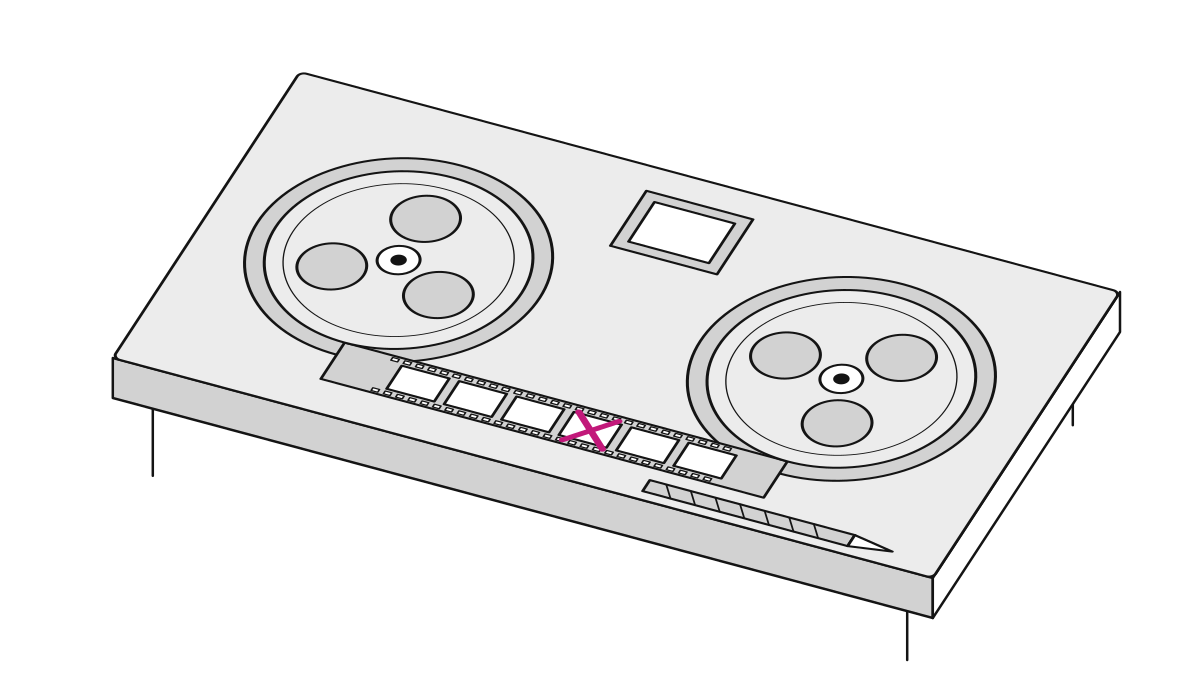
Rankings and revised pieces use two marks. KEEP marks a piece that is featured in the bin on the homepage and still holds after its last recheck. CUT marks a piece that has been pulled from the featured bin after a recheck, either because a newer piece replaced it or because the verdict no longer held. The marks sit next to the item they describe, so a returning reader can scan a long list and see at once what changed.
The update log on the homepage collects those changes in date order: which piece was touched, what the mark was, and when. If you read a list months ago and want to know whether it still holds, the log answers that before the full piece does.